We Secure Medical Devices.

Affordable & Seamless Protection.

We’re Attending 4YFN 2026

March 2nd & 3rd – Meet us at the BIOCAT stand (Hall 8.0 – B10). March 4th – We’ll be at the SANTANDER stand (Hall 8.1 – AD).

EU Medical Cybersecurity Regulation​
2000 ready
Seamless Integration​
0 %
Experience Securing Critical Devices​
0 + years

New Mandatory Regulation

Cyber-Protection in Medical Devices

By 2027, cybersecurity will be a mandatory requirement for medical devices. Manufacturers must secure both new products and devices already in hospitals to stay compliant, trusted, and market-ready.

From 2027, cybersecurity becomes a mandatory requirement for medical devices under EU regulations. Devices must demonstrate built-in protection against cyber threats to remain compliant.

Learn more

The Allpriv Approach

How to comply without increasing costs, delaying product timelines, or redesigning existing devices?

Affordable by Design

Allpriv avoids costly re-certification projects that can exceed €100K.

Fast to Deploy

Allpriv integrates into existing medical devices in weeks — not years.

Seamless Integration

Allpriv does not require reviewing or rewriting existing code.

Medical Devices as a Primary Target

These devices are involved in over 80% of cyberattacks. Their connectivity and long lifecycle make them a critical entry point for attackers.

Vulnerable Endpoints

Medical devices are often permanently connected and rarely monitored, making them easy entry points for attackers within hospital networks.

Legacy & Limited Systems

Many systems cannot be easily updated, and security models that rely on constant patching leave critical gaps over time.

Compliance & Operational Risk

Meeting current and upcoming EU regulations is challenging when devices lack built-in security controls and visibility.

How Does Cyber-Brick Work?

An overview of how our technology delivers secure, compliant, and always-on protection for medical devices and hospital networks.

How it works​

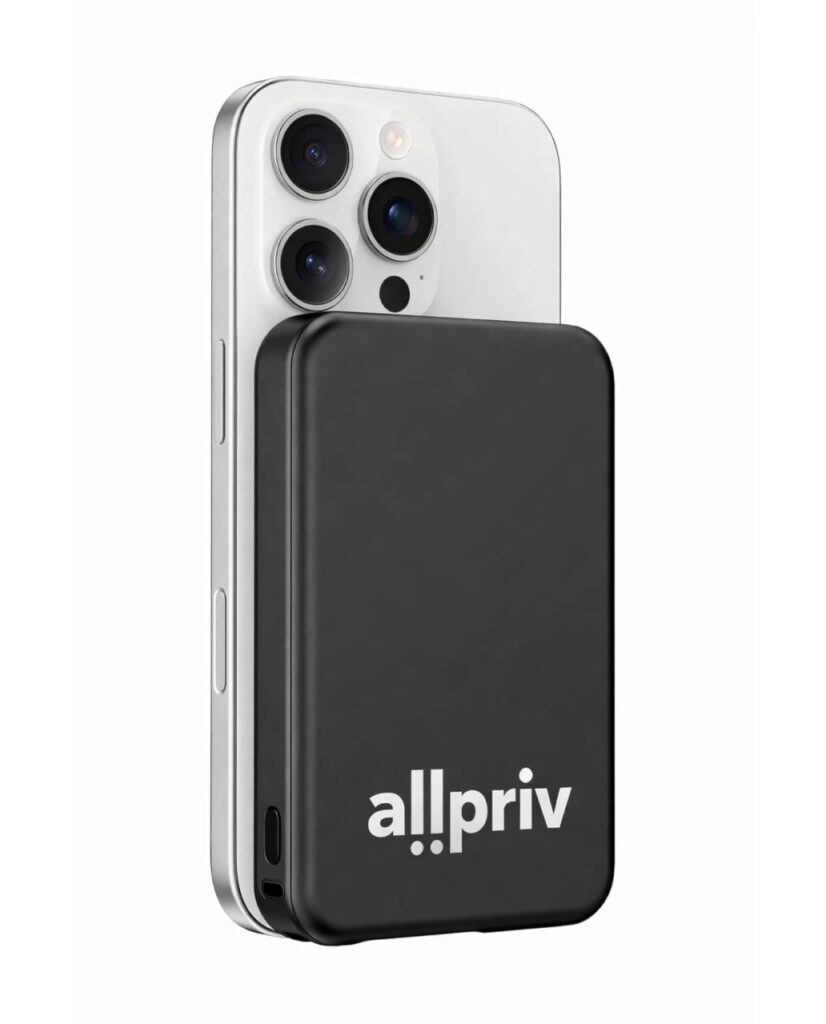
A simple, hardware-based approach to securing medical systems without disrupting operations.

Plug & Play

No software changes required. Deploy in minutes without modifying existing systems or clinical workflows.

Isolate

The device creates a secure boundary around medical systems, preventing unauthorized access and lateral movement.

Operate

Secure operation without disruption. Devices continue to function normally, ensuring uptime, reliability, and patient safety.

Compline

Ready for current and upcoming EU regulations. Supports MDR and aligns with the 2027 EU medical cybersecurity regulation.

Physical Security Layer

By isolating devices from networks and external access, attack surfaces are drastically reduced. AllPriv protects systems by enforcing security at the physical level, not through software alone.

Frequently
Asked Questions

From 2027, cybersecurity becomes a mandatory requirement for medical devices under EU regulations. Devices must demonstrate built-in protection against cyber threats to remain compliant.

Which devices are affected?
Both new medical devices and devices already deployed in hospitals must meet cybersecurity requirements throughout their entire lifecycle.

What happens if devices are not compliant?
Non-compliant devices risk certification delays, market access restrictions, and increased liability for manufacturers.

Does this apply only to software?
No. Regulations require a holistic approach, covering hardware, software, connectivity, and protection against unauthorized access and lateral movement.

How can manufacturers prepare?
By integrating security by design solutions that are seamless, affordable, and aligned with regulatory expectations—without disrupting existing devices or workflows.


Healthcare systems rely on connected technologies to deliver care efficiently. Without proper cybersecurity measures, these systems can become vulnerable to attacks that disrupt clinical operations, compromise patient safety, and expose sensitive medical data.

Many medical devices are designed for long lifecycles and often operate with limited computing resources. This can make it difficult to apply frequent updates or advanced security controls, increasing their exposure to malware, unauthorized access, or tampering.

In the European Union, the Medical Device Regulation (MDR) (EU 2017/745) remains the core framework for CE certification of medical devices, and transition deadlines have been extended for many devices up to the end of 2027 or beyond depending on risk class and certification status. Manufacturers must ensure compliance with MDR requirements — including clinical evaluation, quality systems, and conformity-assessment — to maintain market access.

An effective approach combines device-level protection, continuous monitoring, and strict access control. Securing systems from the lowest software layers upward helps detect threats early and limits their ability to spread across the network.

Yes. Allpriv provides a solution that secures existing medical devices without replacing them by protecting software and firmware, enabling continuous monitoring, network segmentation, and strict access control. The approach is affordable and seamless—much more cost-effective, faster, and efficient than replacing legacy equipment.

Awards & Industry Recognition